

It is important to learn about the history of our area. The good, the bad, and the inspiring. Learning about Black history is important for every single person in Ontario’s Southwest during Black History Month, on Emancipation Day, and on every other day of the year too. You need to know about the history before you can build a better future.
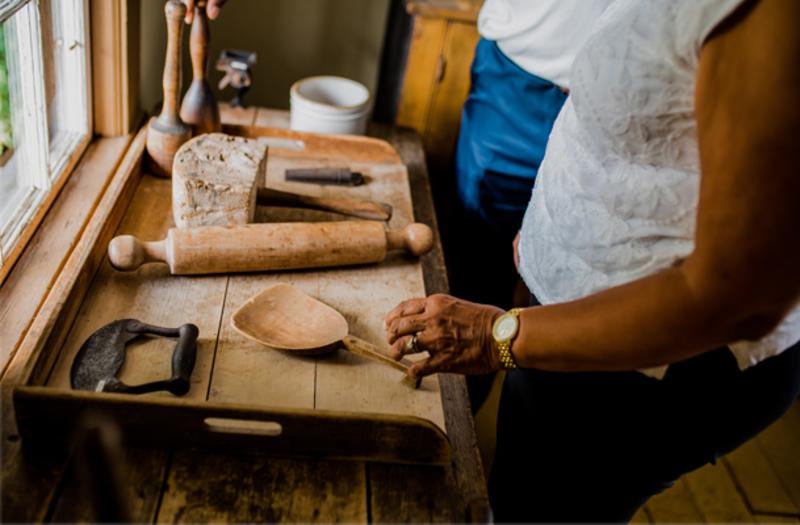
Black History Museums in Ontario’s Southwest
Ontario’s Southwest was the gateway into Canada for many freedom seekers via the Underground Railroad. As a result, we have many historical landmarks, settlements, and museums with vast resources available to those wanting to learn about Canadian Black History.
Learn about the underground railway in Chatham-Kent and the history of the Black community of Buxton at Buxton National Historic Site and Museum. Visit the Chatham-Kent Black Historical Society and Black Mecca Museum and learn more about the thriving business, education, medicine, sport and literary and cultural arts of the black settlement in the area and the Chatham Coloured All-Stars baseball team.
As of September 29, 2025, CKBHS & Black Mecca Museum is currently open for virtual tours only until further notice. Take a virtual tour here.
Then, take a trip to the Josiah Henson Museum of African Canadian History and hear the true story of Josiah Henson. This historic site was previously named Uncle Tom's Cabin. Click here to learn why the name was changed.
In Essex County, the Amherstburg Freedom Museum tells the local story of African Canadians’ history and contributions. The John Freeman Walls Historic Site and Underground Railroad Museum meet descendants of the Underground Railroad as you take an interactive trip back in time.
In London, Ontario, Fanshawe Pioneer Village is home to the African Methodist Episcopal (AME) Church. Originally built in 1848 on Thames Street, this was the first Black church in the community, serving as a place of worship and a safe haven for freedom seekers arriving via the Underground Railroad. Relocated and restored in 2014, it now stands as a testament to the enduring spirit of the Black community in London.
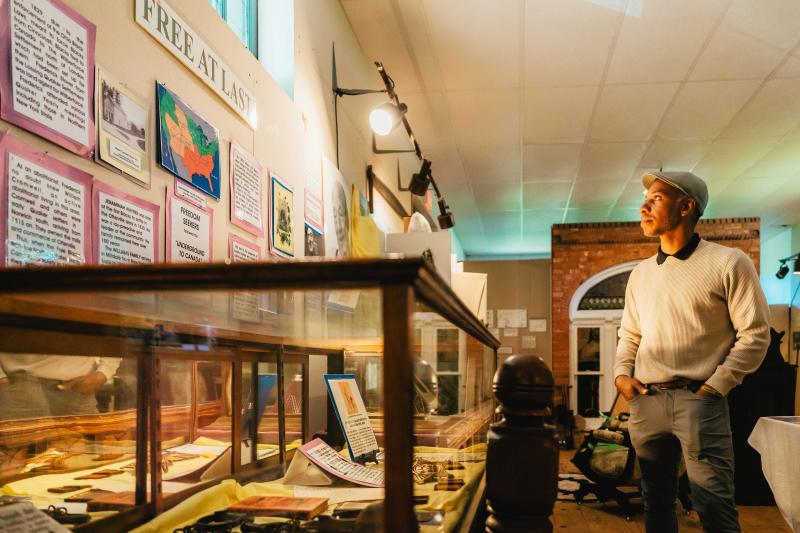
The importance of AME churches in Ontario extends beyond London. In Otterville, located in Oxford County, Otterville African Methodist Episcopal Church and Cemetery was established in 1856 by Black settlers, many of whom had fled persecution in the United States and were supported by local Quakers beginning in 1829. The Otterville church and burial ground served the Black community until the late 1880s, and today the cemetery remains one of the few preserved Black pioneer burial grounds in Ontario. It is a powerful reminder of the contributions and lives of early Black settlers in Oxford County and across Southwestern Ontario.
Many of these locations require pre-booking so be sure to contact them ahead of time.
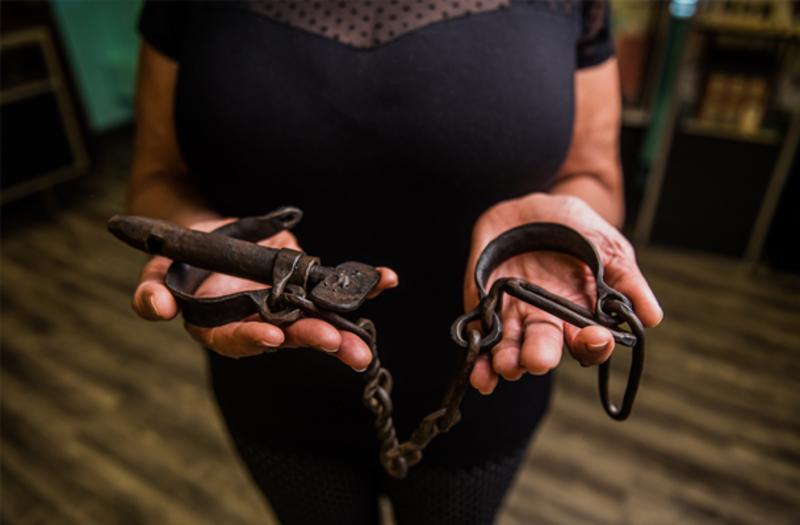
Learn Virtually from Anywhere
Go on a Virtual Tour
Doors Open Ontario is a free online resource that provides virtual resources and tours of three Chatham-Kent Black heritage sites:
- Buxton National Historic Site and Museum
- Chatham-Kent Black Historical Society and Black Mecca Museum
- Josiah Henson Museum of African Canadian History
Consider donating to any museums with free virtual tours as your donations help them directly preserve and further share this important history.
Watch a Documentary
Follow along as Canadian journalist Brandy Yanchyk, host of Seeing Canada, explores Southwestern Ontario where she learns about the Underground Railroad at the Amherstburg Freedom Museum, the Buxton National Historic Site & Museum, The Chatham-Kent Black Historical Society & Black Mecca Museum and Josiah Henson Museum of African Canadian History. If the trailer has you keen to learn more, click here to watch the full episode.
Follow Black History Museums on Social Media
You should also engage with these museums on social media. They often post additional information about local Black history and will keep you in the loop on upcoming events and learning opportunities. Click the links below to be directed to their social media.
- Buxton Museum
- Amherstburg Freedom Museum
- Chatham-Kent Black Historical Society & Black Mecca Museum
- John Freeman Walls Historic Site and Underground Railroad Museum
- Museum London
- Fanshawe Pioneer Village
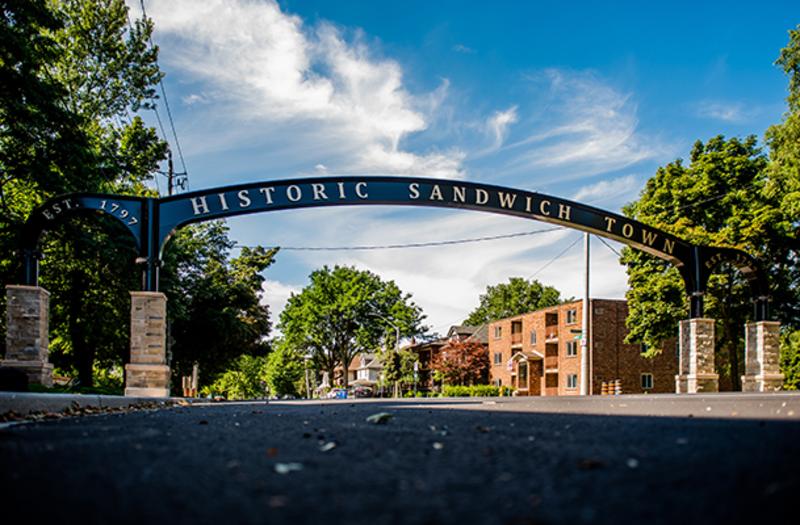
Take a Road Trip Through Time
Here are a few road trip routes to Black heritage sites in Ontario’s Southwest:
You can take a drive to visit all the historical plaques with information about Black history across Ontario’s Southwest. Click here for a map that was created using information from Ontario Heritage Trust, Haldimand County, and Tourism Windsor Essex Pelee Island.
- Historical Plaques in Ontario’s Southwest:
Ontario’s Southwest Experienced by Black Creators
There’s no better way to discover the impact history has had on Black people than by reading and watching first-hand accounts of their experiences.
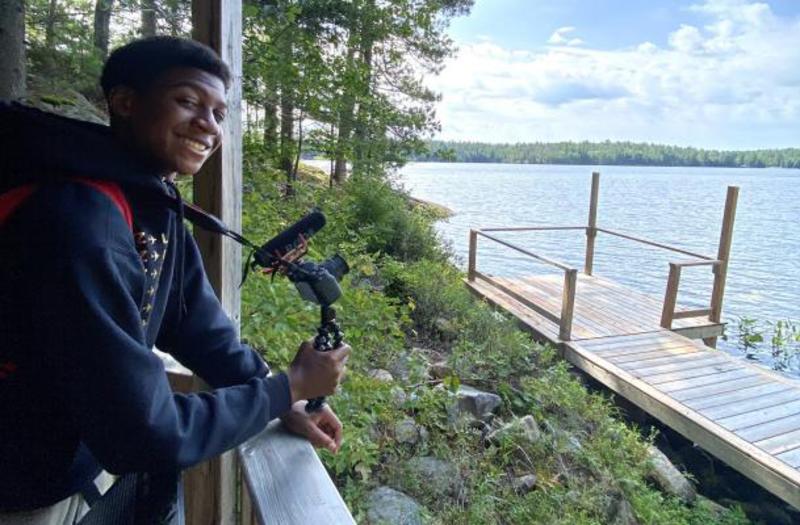
You can follow along with Cameron’s adventure in A Trip to Chatham-Kent: A Lesson in Black History – My Education Is Missing, where he shares his first-hand experience uncovering the deep-rooted Black History in Chatham-Kent.
You can also check out the VLOG by Eden Hagos, showcasing her experience exploring Windsor and Chatham-Kent. During her trip, she got to try the diverse food scene and take a deep dive into the many ways this area has shaped Canadian Black History.